Laminated glass is often specified for safety, but its benefits go further. With the right interlayer, it can improve acoustic comfort, reduce UV transmission and support security requirements.
How laminated glass is made
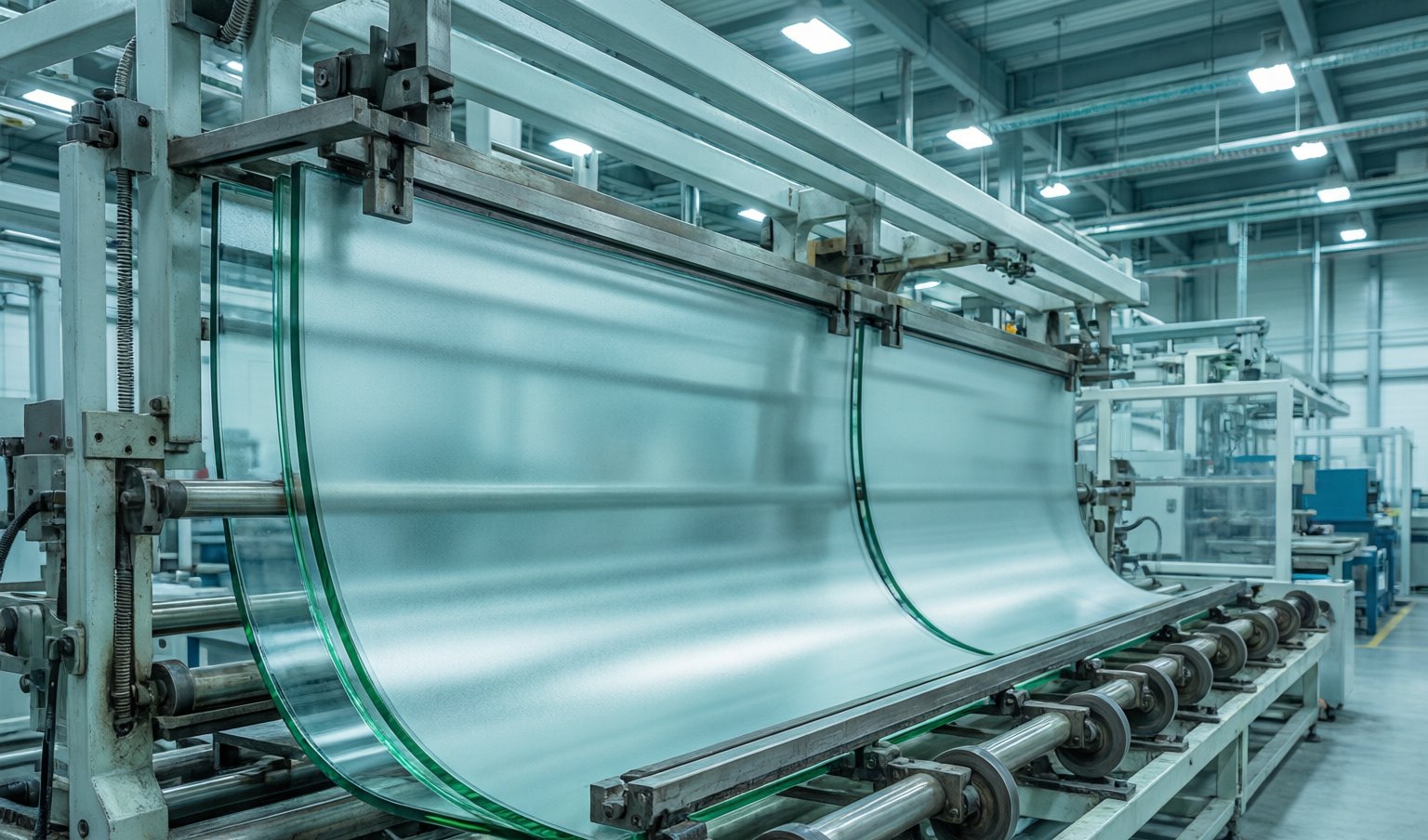
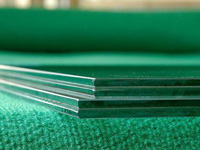
Two or more glass sheets are bonded with one or more interlayers of PVB or resin. Heat and pressure create a composite panel. When the glass breaks, the interlayer holds the fragments together and continues to provide resistance to the passage of people or objects.
Choosing the interlayer
Interlayer choice affects performance more than many buyers expect. Standard PVB provides safety and UV protection. Acoustic PVB adds sound damping. Thicker or multiple interlayers increase resistance and can support security or blast requirements. Coloured and translucent interlayers add design options.
- Safety: fragments stay in place after impact.
- Acoustics: reduced noise transmission, especially with acoustic interlayers.
- UV: most ultraviolet radiation is blocked.
- Design: clear, milky, grey, blue, green, pink and bronze interlayers are available.
Typical applications
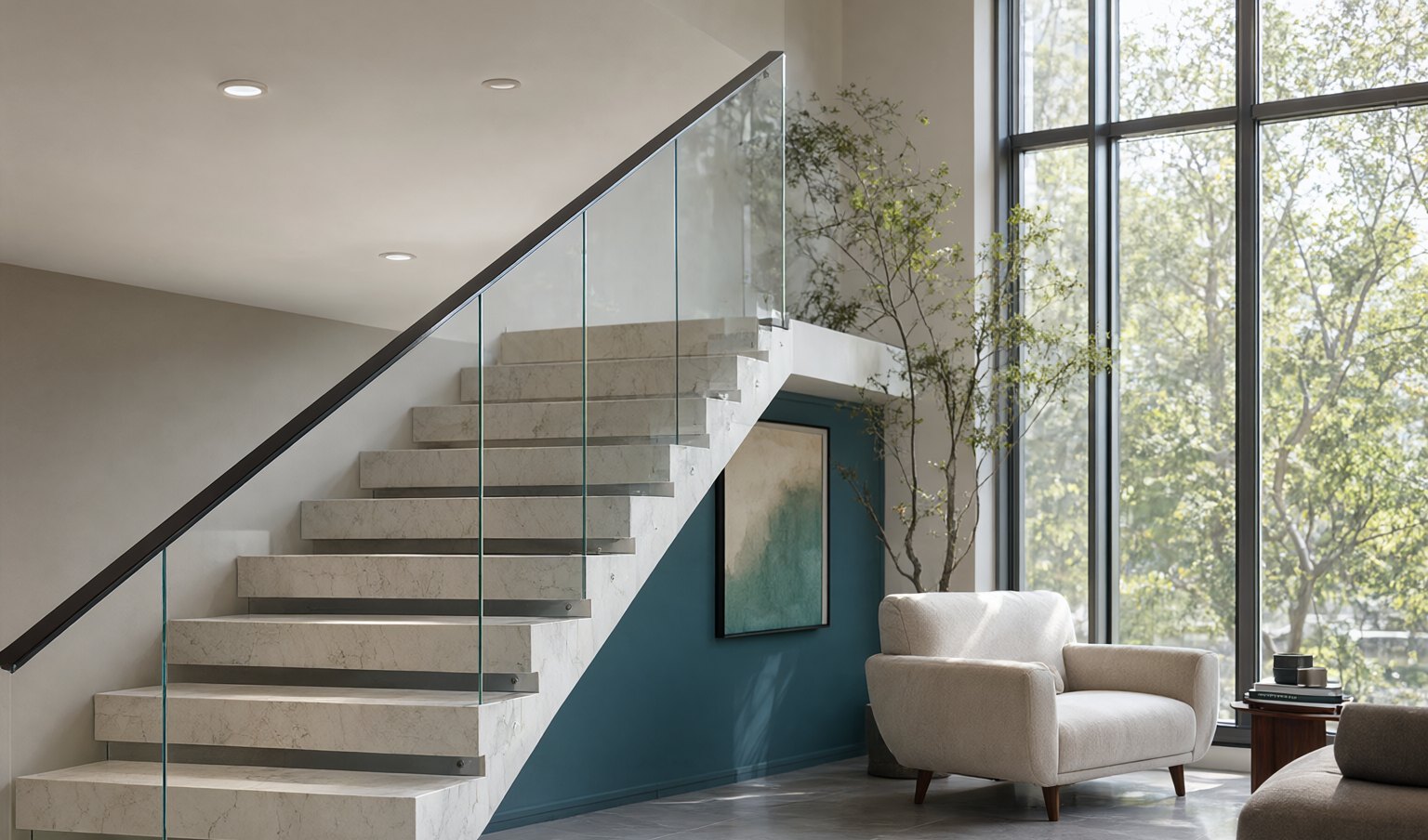
Laminated glass is suitable for shop fronts, balconies, stair railings, roof glazing and acoustic facades. It can be combined with tempered glass or assembled into insulating units.
Our laminated glass is produced up to 3660 x 2440 mm with one to four layers and PVB thicknesses from 0.38 mm upwards. Panels are packed in strong sea-worthy wooden crates for export. Talk to our team about the application and we will help match the build-up to the performance required.
Need glass for a project?
Send your drawings and requirements for a practical, project-specific proposal.