Curtain wall specifications are moving in a clear direction: fewer joints, better daylight control and more performance packed into each panel. The five trends below are shaping commercial facades in 2026 and changing what architects and contractors need to coordinate early.
1. Larger lites and fewer visible joints
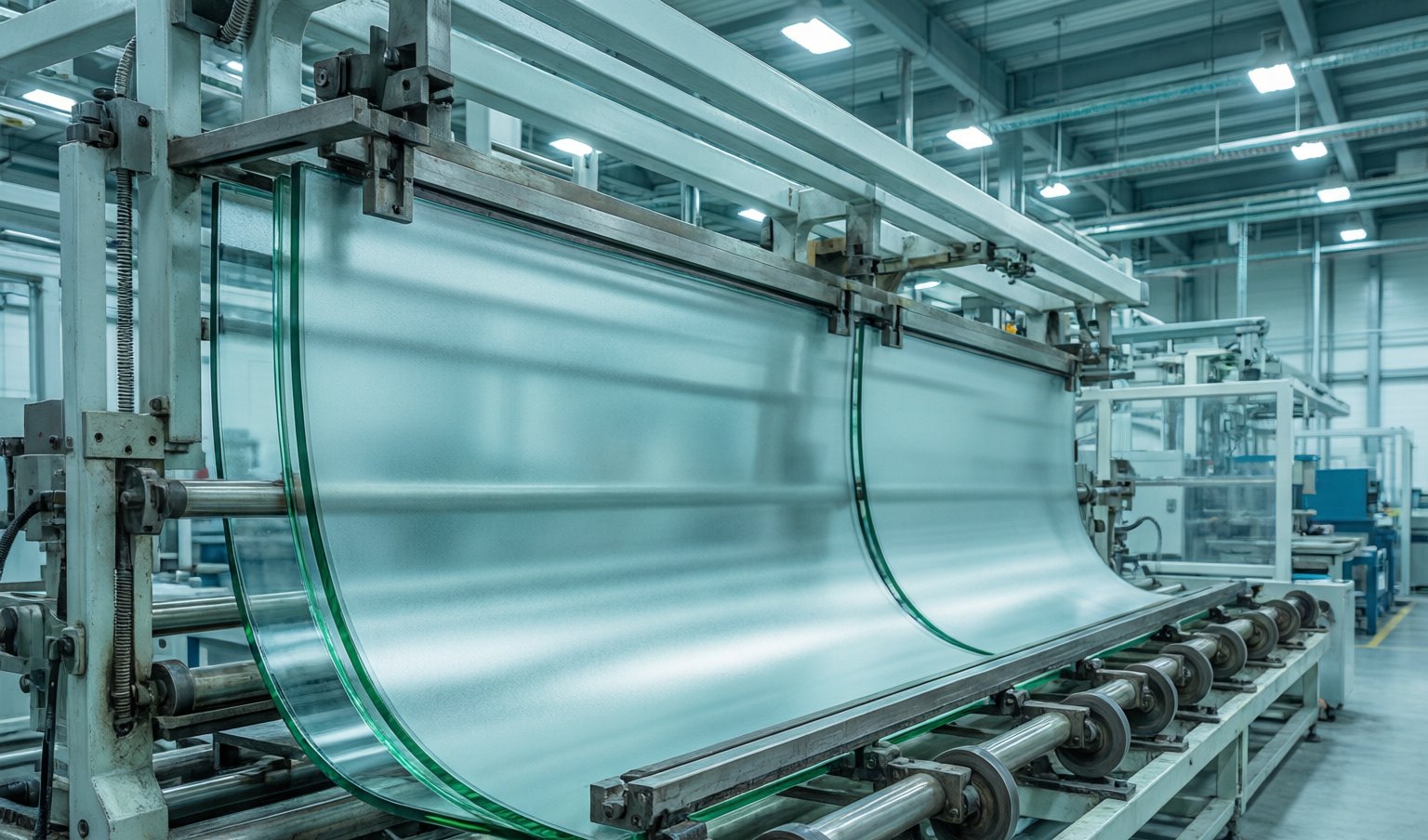
Designers continue to push for taller and wider glass, using fewer mullions to create a cleaner envelope. Large lites increase the importance of handling, crane access and production tolerances. They also make glass quality more visible, because a single panel covers a much larger area of the facade.
Early coordination should confirm the maximum size that can be tempered, laminated, insulated and transported safely, along with the temporary support and replacement strategy for each panel.
2. Coatings tuned to daylight and heat
Solar-control and Low-E coatings are being selected as a pair of targets rather than a single number. Projects want to reduce cooling loads without turning the interior into a dark space. The balance between solar heat gain and visible light transmission is now a design decision, not only an energy calculation.
3. Warm-edge IGUs as a standard detail
Insulated glass units with warm-edge spacers are becoming the default specification in many markets. The spacer reduces thermal bridging at the edge of the unit, which helps control condensation and improves the performance of the whole window rather than only the centre of the glass. Argon filling and a well-sealed edge complete the assembly.
4. Fritted gradients and graphic facades
Ceramic frit gives designers a way to reduce solar gain while creating a visual identity. Dot gradients, bands and patterns can fade across a facade or respond to the building's orientation. The catch is coordination: coverage, colour, panel layout and lighting mockups need to be agreed before production.
5. Switchable glass in defined applications
Electronically controlled switchable glass is moving from feature installations into more routine use in meeting rooms, healthcare spaces and residential projects. It offers privacy on demand without blinds, but it needs a power supply, a control strategy and access for maintenance. It works best when those requirements are planned with the facade or interior package rather than added late.
What the trends mean for specification
- Confirm production and transport limits before the facade grid is frozen.
- Review the coating, spacer and gas as one system rather than separate line items.
- Ask for physical mockups where colour, reflection or frit patterns are critical.
- Plan replacement panels and maintenance access for large or coated lites.
- Allow enough lead time for samples, approvals and export packing.
Casada produces tempered, laminated, insulated, painted and switchable glass to order in Guangdong. Our team reviews the build-up, edgework and packing requirements together, so the facade concept can move into production without surprises at the crate or on site.
Need glass for a project?
Send your drawings and requirements for a practical, project-specific proposal.