
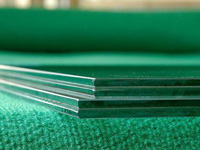
Laminated Glass
Laminated Glass
Safety glass made from two or more glass sheets bonded with PVB or EVA interlayers, holding fragments in place after breakage.
View details
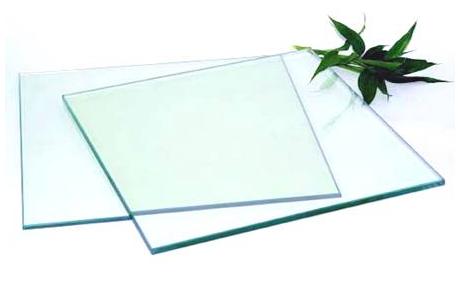
High-quality float glass heated to about 680 °C and rapidly cooled to create a safety glass that is four to five times stronger than annealed glass.
Tempered glass is produced by heating high-quality float glass to approximately 680 °C and then cooling it rapidly. The controlled quench creates a compressive stress layer on the surface and a tensile core, making the finished glass four to five times stronger than normal annealed glass of the same thickness.
If tempered glass is broken, it disintegrates into small, cube-like fragments rather than dangerous shards. This safety characteristic makes it the standard choice for doors, partitions, balustrades, shop fronts and facade glazing.
Nickel sulphide inclusions can cause spontaneous breakage in tempered glass. For critical applications we offer heat soak treatment, which accelerates the transformation of these inclusions so that affected panels fail during testing rather than in service. Impact testing and fragment checks are carried out to confirm compliance with international safety glass standards.
Clear, tinted and pyrolytic hard-coat reflective glass can all be tempered. Edges can be polished, bevelled or ground, and holes, cut-outs and print can be included before tempering. Because tempered glass cannot be cut after processing, final dimensions and tolerances are confirmed before production.
Safety glass made from two or more glass sheets bonded with PVB or EVA interlayers, holding fragments in place after breakage.
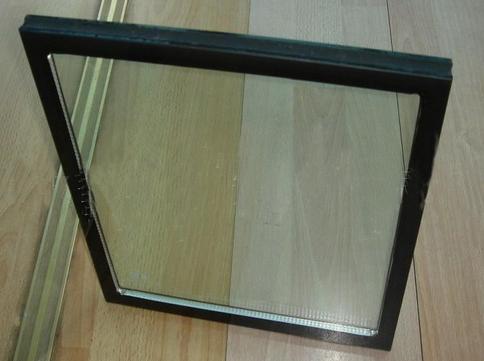
Double and triple glazed units assembled with bent spacers, desiccant, dual seals and optional inert gas for thermal and acoustic comfort.
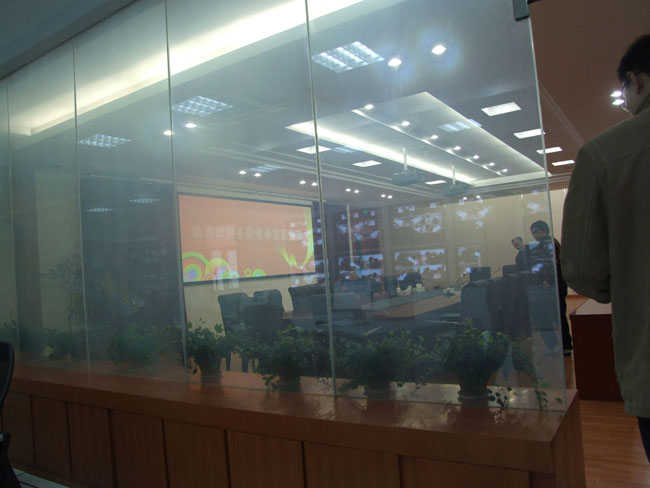
Electrically switchable glass that changes from transparent to frosted for instant privacy, solar control and glare reduction.
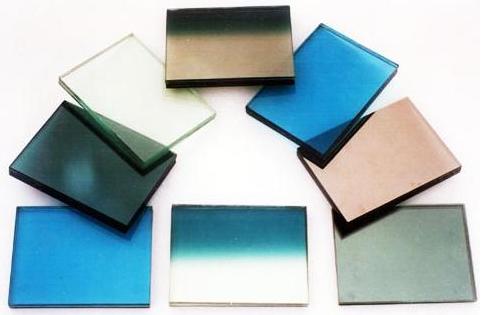
Coated architectural glass that controls visible light and infrared transmission, reducing glare and solar heat gain.